Shoreline Protection & Climate Adaptation

Adaptive, Resilient Solutions to Protect Built and Natural Assets

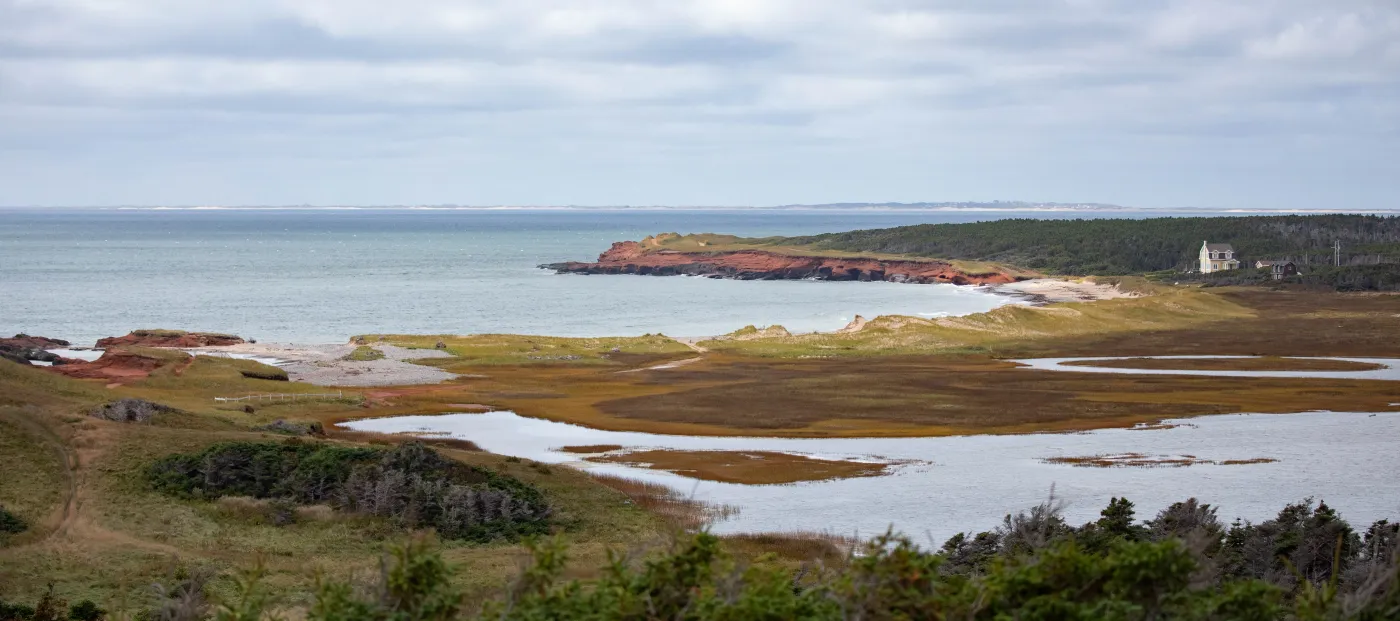
Shorelines are increasingly exposed to the effects of climate change, including sea-level rise and evolving storm conditions. Effective shoreline protection and adaptation strategies must balance functionality, environmental considerations, and long-term resilience. PSG Ocean provides the technical expertise to deliver shoreline solutions that are valued by communities and built to stand the test of time, through a combination of resistance and adaptive management tailored to each project.

Shoreline Protection & Climate Adaptation

PSG Ocean provides comprehensive services for the planning, design, implementation, and monitoring of shoreline protection and climate adaptation solutions. Our work integrates coastal process understanding with sound engineering judgment to develop site-specific strategies, including:

  • Field investigations and surveys
  • Option appraisal, including rights holder and stakeholder engagement
  • Permitting in collaboration with environmental professionals
  • Preparation of design drawings, technical specifications, and cost estimates
  • Support during tendering and construction
  • Development and implementation of community-led monitoring plans

Services les plus récents

Voir tous les services
Marine Infrastructure & Navigation

Marine Infrastructure & Navigation

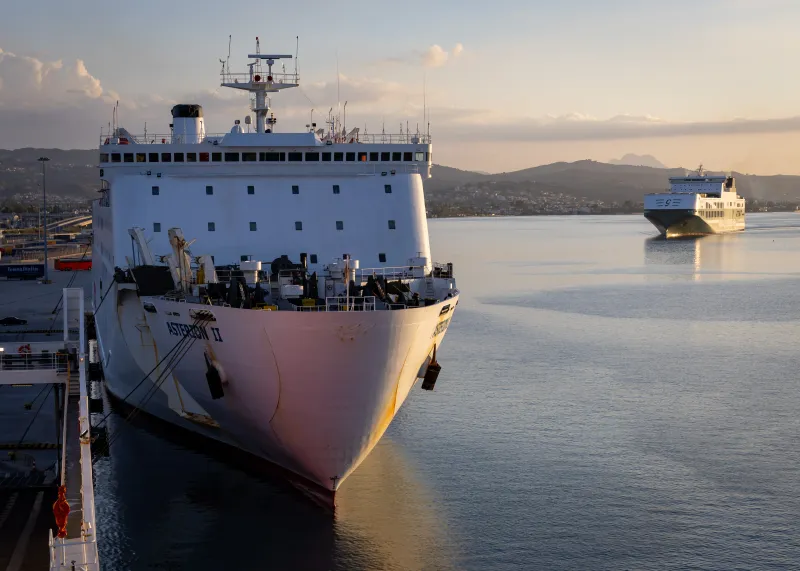
Marine infrastructure and navigation systems must be designed to perform reliably under dynamic environmental conditions while ensuring safety and operational efficiency. PSG Ocean provides coastal engineering and analysis services to support the planning, design, and assessment of marine infrastructure, with careful consideration of waves, water levels, sediment processes, and vessel requirements.

Coastal Hazard & Risk Assessment

Coastal Hazard & Risk Assessment

Coastal hazards are natural processes that can threaten public safety, damage property, and disrupt social and economic activities. These hazards most commonly arise from coastal flooding driven by elevated water levels and wave action during storms, often accompanied by shoreline erosion. Less frequent but high-impact events, such as tsunamis, can also pose significant hazards. In turn, risk is determined by both the likelihood of a hazardous event occurring and the severity of its potential consequences. Assessing and mitigating hazards play a critical role in land use planning and development, as well as in shaping risk-informed emergency management plans.